
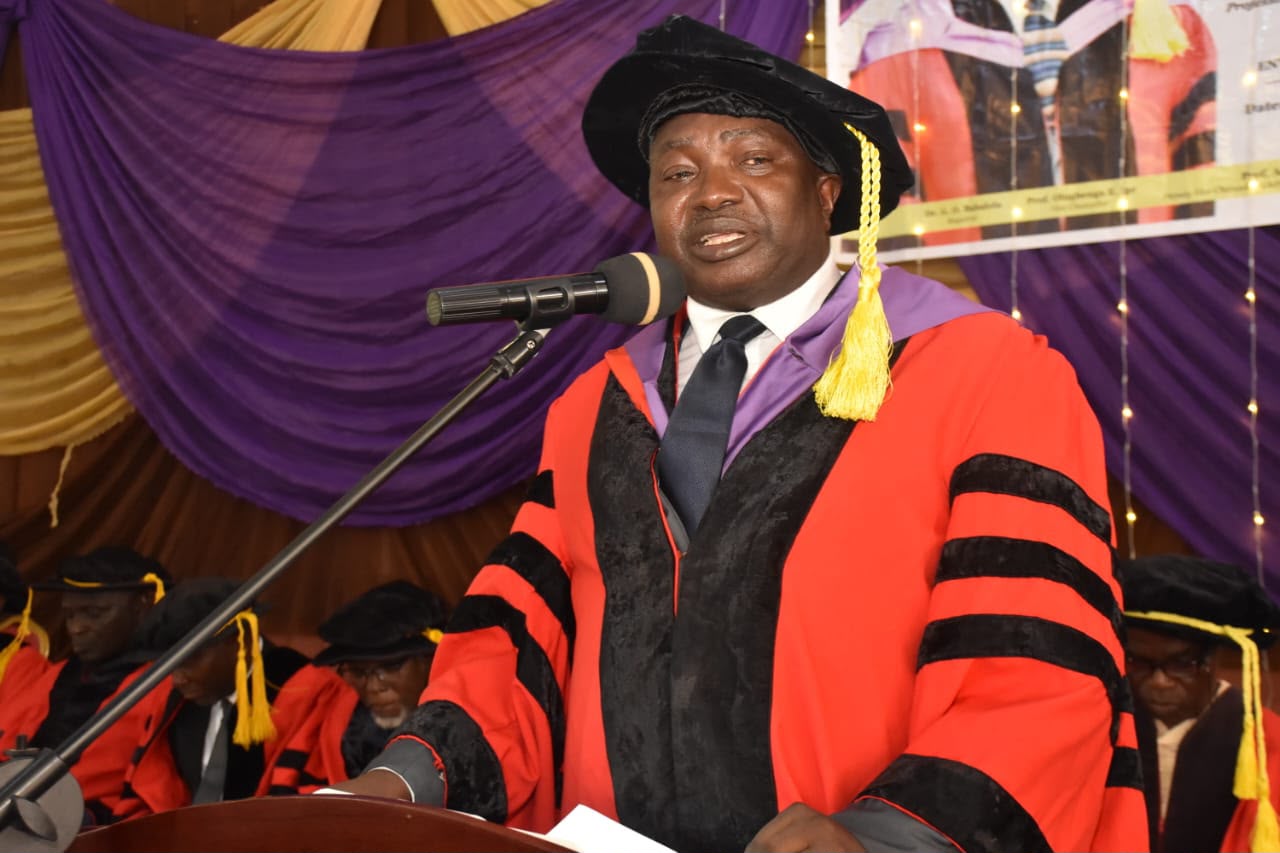
Prof. Olugbenga Oke-Samuel, a legal scholar at Adekunle Ajasin University, Akungba-Akoko, has underscored the role of government and universities in tackling environmental pollution and injustice. He emphasised that granting financial and administrative autonomy to law clinics is essential to sustaining legal justice.
He noted that such reforms would not only promote a faster and more accessible justice system but also produce legal practitioners with practical experience, ultimately improving the quality of law in the country.
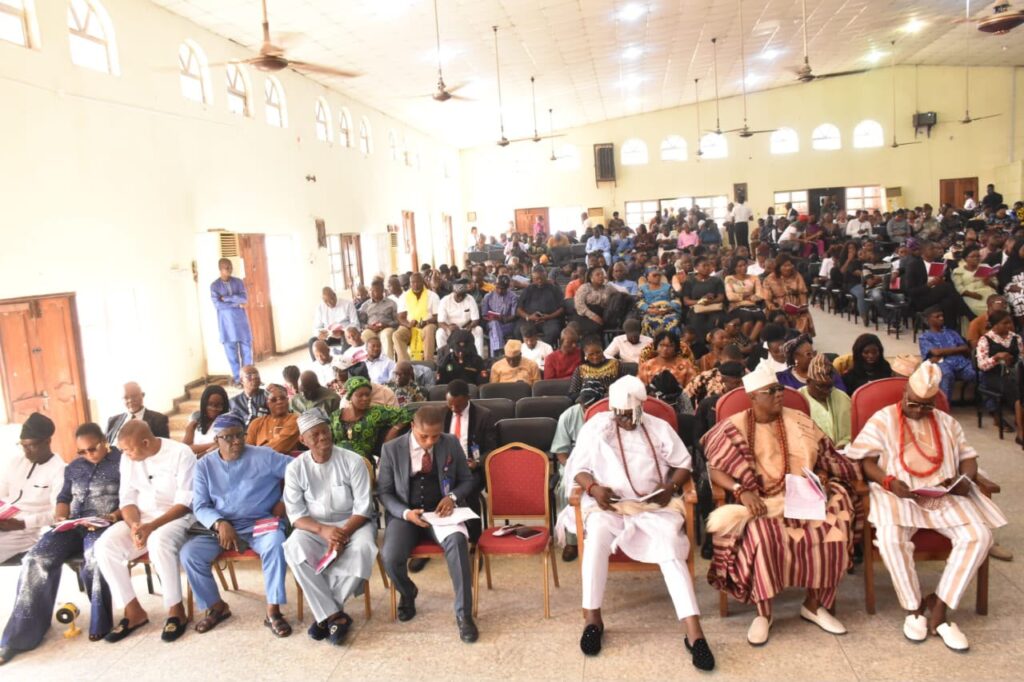
Prof. Oke-Samuel made this assertion on Tuesday, June 30, 2026, at the University Multipurpose Hall while delivering the 67th Inaugural Lecture, titled “Environmental Injustice: Redeeming the Time Through Environmental Law Clinics in Nigeria.”

He explained that the Earth is facing a host of environmental crises, including climate change, pollution, and biodiversity and ecosystem loss. He observed that many communities across the globe, particularly the most vulnerable, have suffered disproportionately from environmental catastrophes. This, he said, reveals the damaging consequences of industrial recklessness and negligence, unsustainable resource use, and weak environmental regulation worldwide.
The Don highlighted several sources of environmental injustice in Nigeria, including illegal and artisanal mining, solid waste and dump sites, electronic waste, dust pollution from cement and related industries, air and oil pollution, climate change, flooding, and desertification.
Prof. Oke-Samuel stressed that the United Nations’ advocacy for the Sustainable Development Goals (SDGs) would remain unattainable without critical attention to the legal enforcement of environmental justice. He added that while the SDGs represent a global framework for a resilient future, environmental justice provides the indispensable ethical and legal backing necessary to ensure compliance with human rights.
According to him: “Broad developmental ambitions such as clean water (SDG 6), affordable energy (SDG 7), and sustainable communities (SDG 11) cannot materialise in an accountability void. True sustainability necessitates that legal frameworks transition from merely conserving nature to actively dismantling the interlocking socio-legal structures that enable environmental racism, unequal resource distribution, and the marginalisation of vulnerable populations.”
Blaming political compromise, underfunding, and systemic weakness, the jurist bemoaned the failure of the Nigerian justice system to punish violators of environmental laws. He stated that this had forced affected communities, particularly in oil-related pollution cases, to pursue legal action overseas at enormous personal and financial cost.
Citing the environmental conditions in the Niger Delta, Prof. Oke-Samuel noted that although the country’s economy relies heavily on the region’s oil resources, the area has remained impoverished and severely affected by environmental degradation over the years. He listed the consequences for residents, including oil spillage, gas flaring, blowouts, oil pipeline fires, vandalism, militant agitations, and other disastrous health effects caused by water and food contamination, as well as increased rates of respiratory diseases.
While urging the government to utilise environmental law clinics in achieving the SDGs in Nigeria, the legal scholar highlighted the role of these university-based clinics in helping exposed individuals and communities secure justice against environmental crimes. He noted that environmental law clinics operate as specialised units, describing them as “desirable in a country like Nigeria where there is inadequate access to environmental lawyers, particularly for local communities and those at greater risk of environmental harm.”
Prof. Oke-Samuel further stated that environmental law clinics have a social responsibility to provide pro bono legal services to individuals and communities affected by environmental pollution, while also promoting environmental legal literacy, advocacy, and regulatory accountability.
To achieve these objectives, he called on the government to prioritise investment and funding for environmental law clinics, as well as the formalisation of collaborations with the Federal Ministry of Environment, State Ministries of Environment, and the Legal Aid Council. He also recommended the formal involvement of environmental law clinics in environmental impact assessments, audits, and community development agreements, among other measures aimed at strengthening environmental justice in Nigeria.
He further proposed a reform of the judiciary system through constitutional amendments to establish green courts or tribunals in Nigeria, and to provide legal aid to victims of environmental injustice.
On the academic front, Prof. Oke-Samuel recommended the integration of clinical legal education into the Nigerian university curriculum, describing it as a more intensive teaching and learning approach that prepares future legal practitioners to meet the demands of legal service consumers. He added that the approach would equip and train lawyers to act in the public interest and demand justice, rather than merely serve those in power.
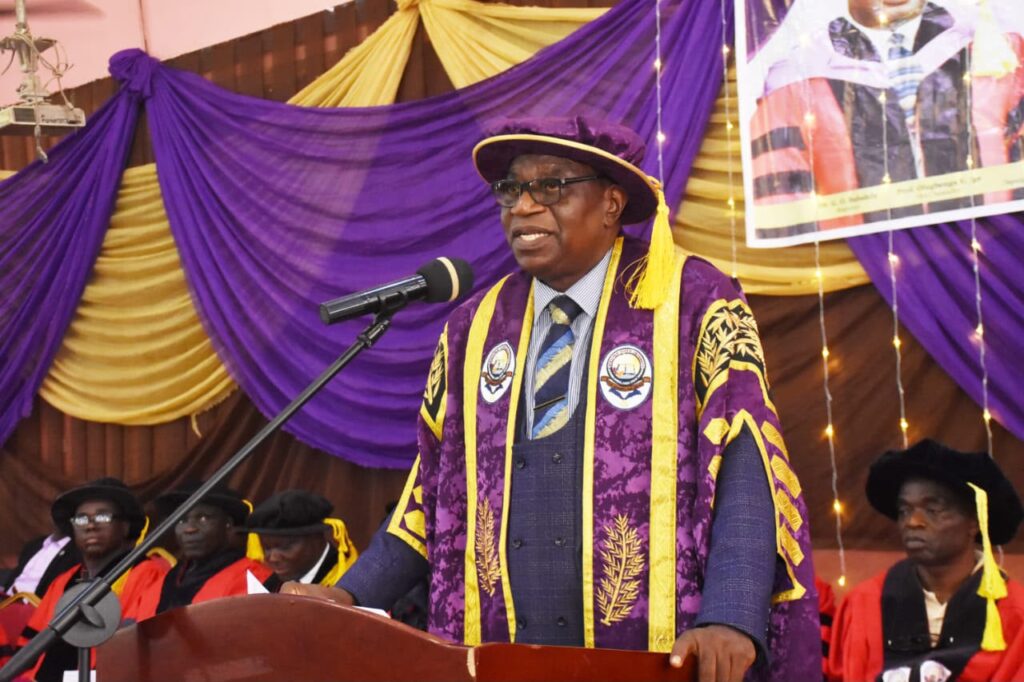
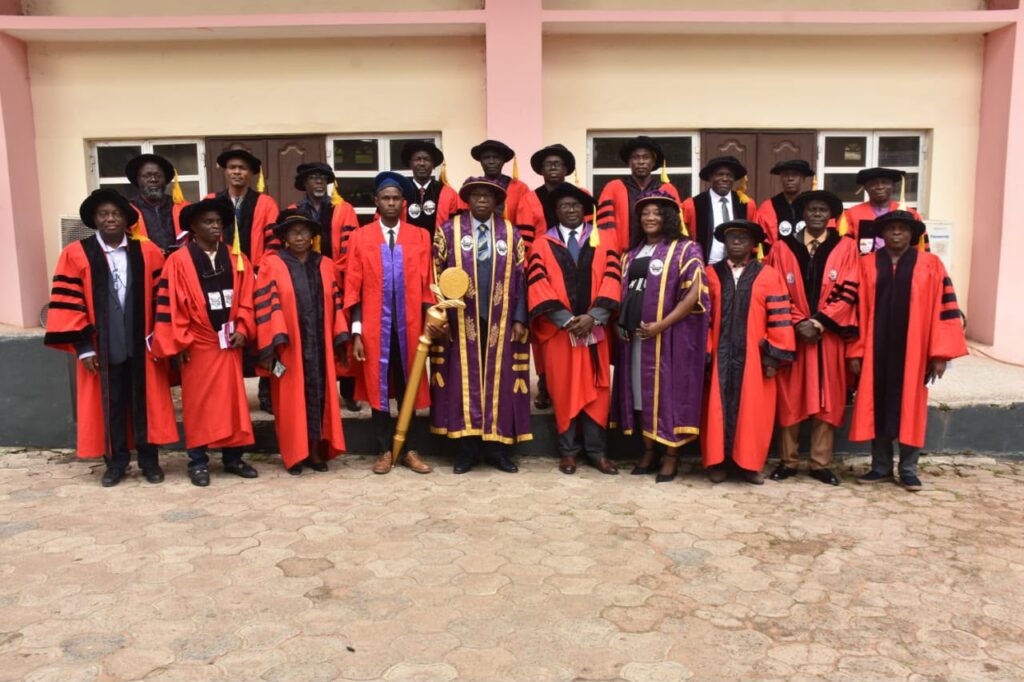
Introducing the inaugural lecturer earlier, the Vice-Chancellor and Chairman of the occasion, Prof. Olugbenga Ige, characterised the edition as a significant scholarly milestone for the university. He added that it marked the last inaugural lecture he would preside over before the end of his tenure. He commended Prof. Oke-Samuel for his selfless service and invaluable contributions to the university’s academic community, the legal profession, and the nation’s justice system.
