
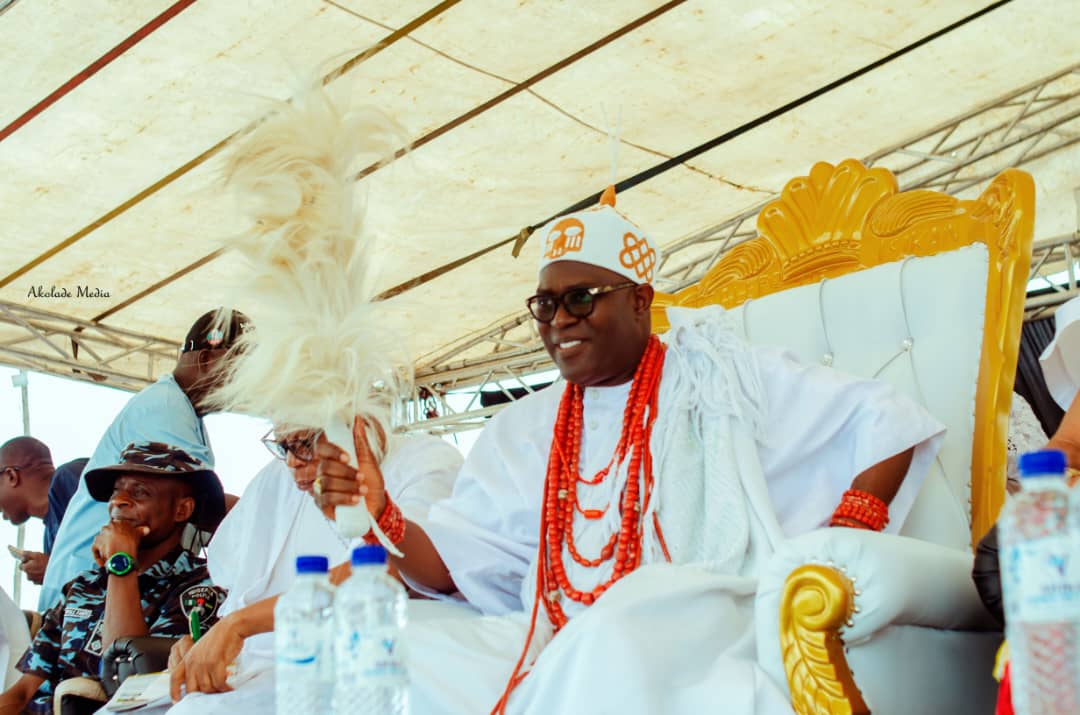
The Palace of the Iralepo of Isinkan has defended the October 12, 2026 judgment of the Ondo State High Court, Akure, dismissing a suit filed by the Deji of Akure, Oba Aladetoyinbo Ogunlade Aladelusi, challenging the recognition of the Iralepo as an Oba.
The palace said the judgment delivered by Justice Sunday Olorundahunsi in Suit No. AK/434/2022 was distinct from an earlier Court of Appeal judgment in Appeal No. CA/AK/69/2022, which has been further appealed to the Supreme Court.
In a press statement signed by the Olisa of Isinkan Kingdom, High Chief Kayode Oluyi, the palace explained that the two cases involved different facts and causes of action and were pursued concurrently at different stages of the judicial process.
It recalled that the Court of Appeal delivered its judgment on February 21, 2025, setting aside an earlier judgment of the Ondo State High Court in Suit No. AK/111 M/2021, delivered by Justice Odusola on March 17, 2020.
According to the statement, the Deji instituted Suit No. AK/434/2022 at the High Court while the earlier appeal was pending, arguing that the second case was based on a different set of facts and cause of action.
The palace maintained that the latest judgment should be assessed on its own merits, noting that judicial decisions are determined by the particular facts and circumstances of each case.
It questioned why the Deji instituted another suit at the High Court if he considered the earlier Court of Appeal judgment to have conclusively resolved the issues in dispute.
The statement stressed that the Iralepo had never instituted any case against the Deji, insisting that the various legal battles involving traditional rulers in Akure North and Akure South had been initiated by the Deji.
On the substance of the latest judgment, the palace said Justice Olorundahunsi affirmed the authority of the Ondo State Government to upgrade and recognise traditional chieftaincies without the consent of another monarch.
The court also upheld the counterclaim of the Iralepo, Oba Oluwagbemiga Olofin-Adimula Arulewolasi III, affirming his recognised chieftaincy status and territorial claim over Isinkan.
The judgment further restrained the Deji, his agents, chiefs and other persons acting on his behalf from interfering in the affairs of the Iralepo or dealing with the disputed land in Isinkan.
On the historical basis of Isinkan’s claim, the palace said it had consulted archival materials, libraries and colonial records to establish the relationship between the traditional communities that made up the former Akure District.
It identified an earlier judgment of the Akure Native Court, presided over by the late Deji Adegunsoye Ademuwagun Adesida II, as significant historical evidence.
According to the palace, the Native Court judgment recognised that Isinkan predated Akure and that its territory extended from Imogun, around the Saint Thomas Anglican Church end of Arakale, westwards along the Ondo Road to the Aponmu/Owena Rivers.
The statement said the recent judgment gave judicial recognition to these historical claims.
The palace also accused the Deji’s palace of making misleading comments about the judgment, alleging that the statements were intended to create uncertainty over the status of Isinkan and sustain the expectations of individuals benefiting from alleged illegal land transactions in the community.
It described the judgment as a significant development in the longstanding dispute over Isinkan’s traditional institution, autonomy and territorial boundaries.
The palace expressed confidence in the judicial outcome, describing it as a new dawn for Isinkan and attributing the development to divine intervention.
