
Reporter: Roland Subomi
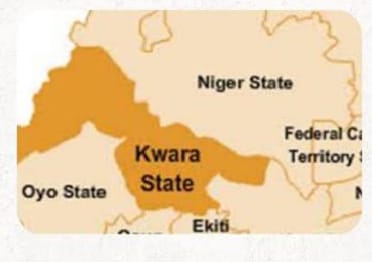
No fewer than 162 persons have been reported killed in coordinated attacks on Woro and Nuku communities in Kaiama Local Government Area of Kwara State, in what is being described as one of the deadliest assaults in Nigeria this year.
The lawmaker representing the area in the National Assembly, Mohammed Omar Bio, confirmed the casualty figure on Wednesday, attributing the attacks to the Lakurawa, a group reportedly affiliated with the Islamic State. As of press time, no group had officially claimed responsibility.
Eyewitness accounts indicate that the attackers stormed the communities on Tuesday, rounding up residents, binding their hands and executing many at close range. Homes and shops were reportedly set ablaze, while several villagers sustained gunshot wounds as they fled into surrounding bushland.
Sa’idu Baba Ahmed, a political leader in the Kaiama axis, told reporters he was at the scene alongside security personnel. “We are sorting bodies and combing nearby bushes for survivors and the missing,” he said, adding that the whereabouts of several residents, including the traditional ruler of one of the affected communities, remained unknown.
Residents alleged that the assailants had previously visited the villages to preach extremist ideologies and demanded that locals renounce allegiance to the Nigerian state in favour of strict religious rule. Tension reportedly escalated when villagers resisted the demands, culminating in Tuesday’s violence.
Amnesty International put the death toll at over 170, stating that the attackers had issued warning letters to the communities for more than five months prior to the incident. The organisation described the security lapses that enabled the attacks as unacceptable and called for urgent action to protect vulnerable populations.
Kwara State Governor, AbdulRahman AbdulRazaq, condemned the killings, describing them as “a cowardly expression of frustration by terrorist cells” amid ongoing counter-terrorism operations in parts of the state.
Kwara shares a border with Niger State, which has witnessed increased activities by armed groups in recent months. The Nigerian military recently confirmed launching sustained coordinated offensives against terrorist elements in border communities, claiming significant successes, including the destruction of remote camps and logistics bases.
In a related development, at least 13 persons were killed in a separate attack on Doma village in Faskari Local Government Area of Katsina State on Tuesday. The attack occurred despite peace agreements brokered between armed groups and affected communities across several local councils in the state.
Nigeria continues to grapple with multifaceted security challenges, including insurgency in the North-East, banditry and kidnapping in the North-West and North-Central, as well as communal clashes in parts of the Middle Belt.
At least two extremist factions operating in the country are linked to the Islamic State — the Islamic State West Africa Province (ISWAP), an offshoot of Boko Haram active in the North-East, and the Islamic State Sahel Province, locally referred to as Lakurawa, which has gained prominence in the North-West. Security authorities have previously indicated that Lakurawa fighters have roots in neighbouring Niger Republic and became more active in Nigeria’s border communities following the 2023 military coup in that country.
The Federal Government has intensified military operations against insurgents and armed bandits, with official statements frequently highlighting the neutralisation of large numbers of fighters. Last month, the military announced the launch of renewed offensive operations in Kwara State, claiming to have dismantled several terrorist camps.
In response to escalating insecurity, Kwara authorities had earlier imposed curfews in affected areas and temporarily shut schools before ordering their reopening on Monday.
The wave of violence has drawn international attention. Recent claims by former United States President Donald Trump alleging targeted killings of Christians in Nigeria were rejected by the Federal Government and independent observers, who maintain that the violence affects both Christians and Muslims.
Meanwhile, the United States Africa Command confirmed on Tuesday that a small American military team has been deployed to Nigeria to enhance security collaboration between both countries.
Despite ongoing operations and international support, many Nigerians continue to express concern that more decisive and coordinated measures are required to stem the persistent bloodshed across several regions of the country.
