
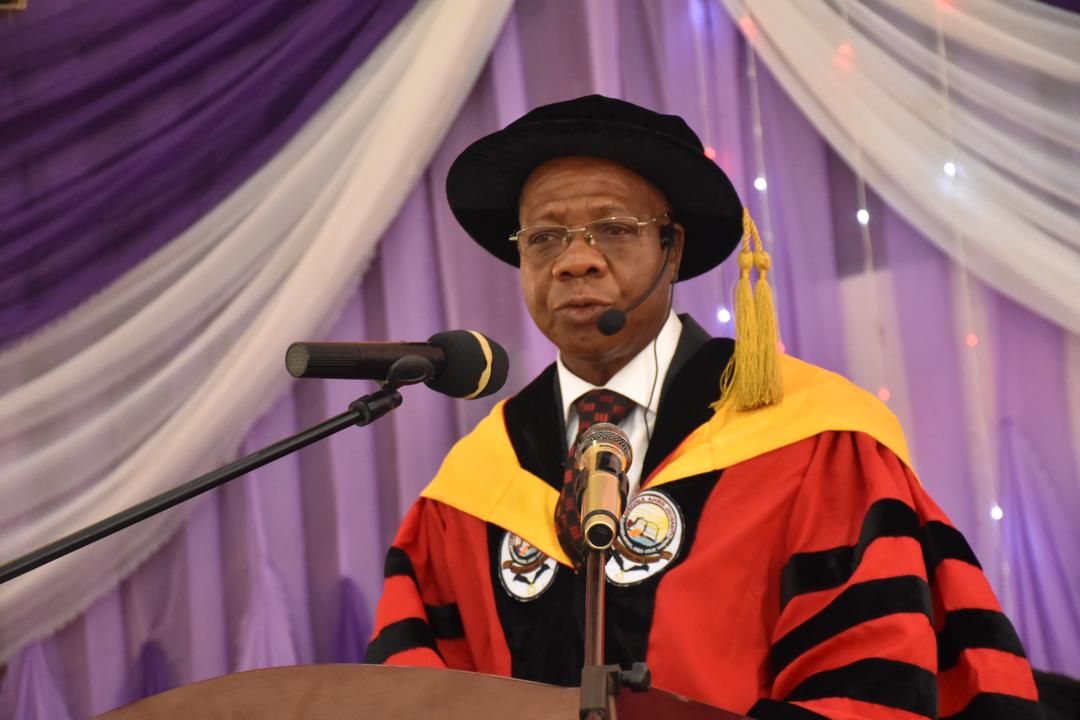
A Professor of Applied Social and Environmental Psychology at Adekunle Ajasin University, Akungba-Akoko (AAUA), Prof. Oluyinka Ojedokun, has said that most environmental challenges confronting the world today are largely the result of human behaviour and collective actions.
Speaking at the university’s 56th inaugural lecture titled “God Made the Earth, Humans Made the Town,” delivered on Tuesday, March 3, 2026, the professor advocated what he described as Responsible Environmental Behaviour as a practical solution to problems such as climate change, biodiversity loss, waste management crises and urban pollution.

Prof. Ojedokun emphasised the need for deliberate actions that would ensure a balanced ecosystem, urging governments and relevant stakeholders to prioritise environmental education programmes that go beyond awareness creation to promoting responsible behaviour among citizens.
According to him, humanity originates from the Earth and remains dependent on it for survival, warning that continued environmental degradation poses serious threats to future generations.
“We cannot afford the continued degradation of the environment,” he said, stressing the urgent need for responsible environmental practices.
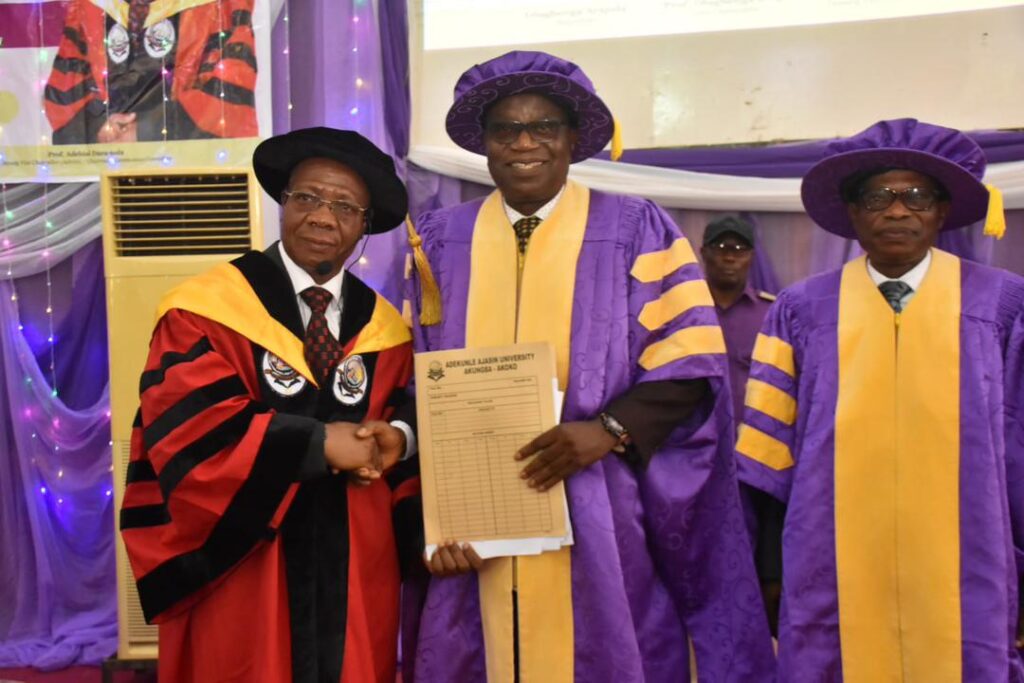
The professor explained that responsible environmental behaviour is a preventive strategy that encourages individuals to act consciously in ways that protect the environment, rather than relying solely on campaigns aimed at changing attitudes.
He noted that such behaviour requires a future-oriented mindset where individuals are willing to bear small present costs — including effort, inconvenience or restraint — in order to secure long-term environmental benefits for society.
“Responsible environmental behaviour, by its very nature, demands a future-oriented mindset, requiring individuals to incur small present costs in exchange for benefits that are largely deferred and collective,” he said.
Prof. Ojedokun further noted that environmentally responsible conduct does not occur by chance but is influenced by a combination of psychological and social factors.
According to him, these include attitudes, self-concept, self-efficacy, personality traits, future time perspective, emotional responses such as eco-anxiety, and the social and institutional environments within which individuals operate.
He therefore urged universities, schools and community organisations to develop environmental education programmes that focus on behavioural change by encouraging deliberate actions and breaking negative habits.
Such programmes, he suggested, should incorporate goal-setting exercises, scenario-based workshops and visual cues that help individuals connect their present actions with long-term environmental consequences.
The scholar also recommended the adoption of behavioural assessment tools such as the Littering Prevention Behaviour Scale (LPBS) and the Littering Attitude Scale (LAS) to help researchers and policymakers measure, monitor and evaluate environmental interventions.
Evidence generated from these tools, he said, should guide policy decisions and programme design to ensure sustainable outcomes.
Prof. Ojedokun further called for the involvement of social and environmental psychologists in designing interventions aimed at improving environmental self-efficacy, strengthening positive self-concept and altruism, and helping citizens develop self-monitoring and self-regulation skills.
He stressed that a multi-sectoral approach is critical to addressing environmental challenges, urging government and local authorities to provide adequate waste disposal facilities, clear environmental signage and consistent enforcement of anti-littering regulations.
He also recommended integrating psychosocial insights into public sanitation campaigns while combining infrastructure development, enforcement and education to achieve lasting environmental impact.
Community leaders, non-governmental organisations and civil society groups, he said, should organise participatory initiatives such as community clean-up exercises and peer monitoring systems to reinforce responsible environmental practices.
The professor also charged private waste management companies to improve the accessibility and reliability of waste collection services, incorporate behavioural insights into service design and partner with government and educational institutions to strengthen recycling and waste sorting systems.
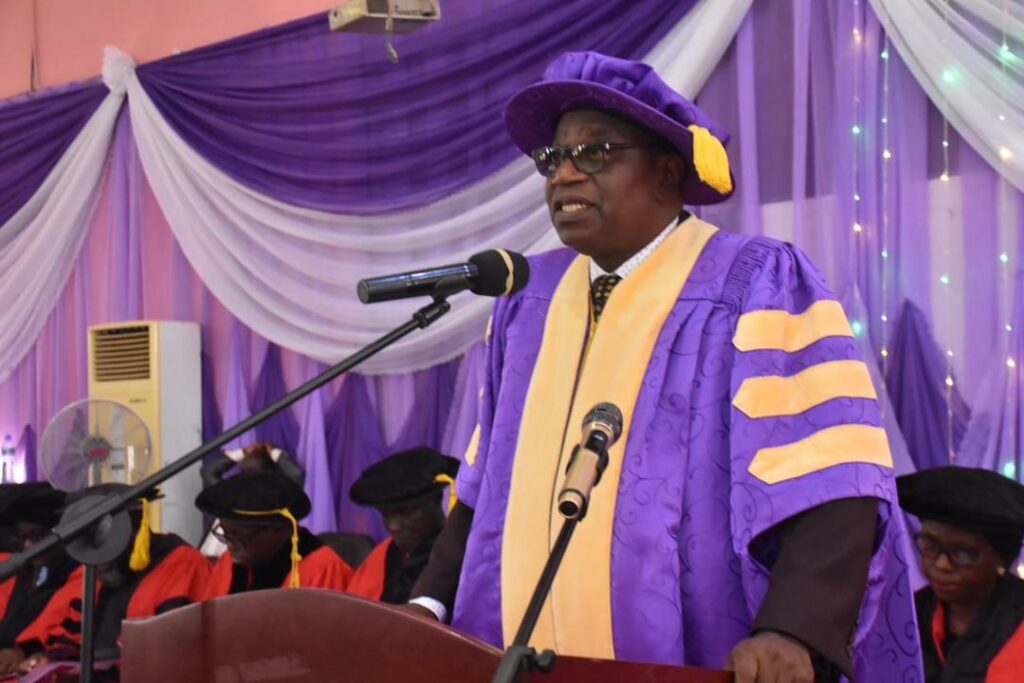
Earlier in his remarks, the Vice Chancellor of Adekunle Ajasin University, Prof. Olugbenga Ige, who chaired the occasion, commended Prof. Ojedokun for his contributions to research, teaching and community service.
He noted that the theme of the inaugural lecture reflects the institution’s commitment to producing knowledge that addresses societal challenges and promotes sustainable development.
