
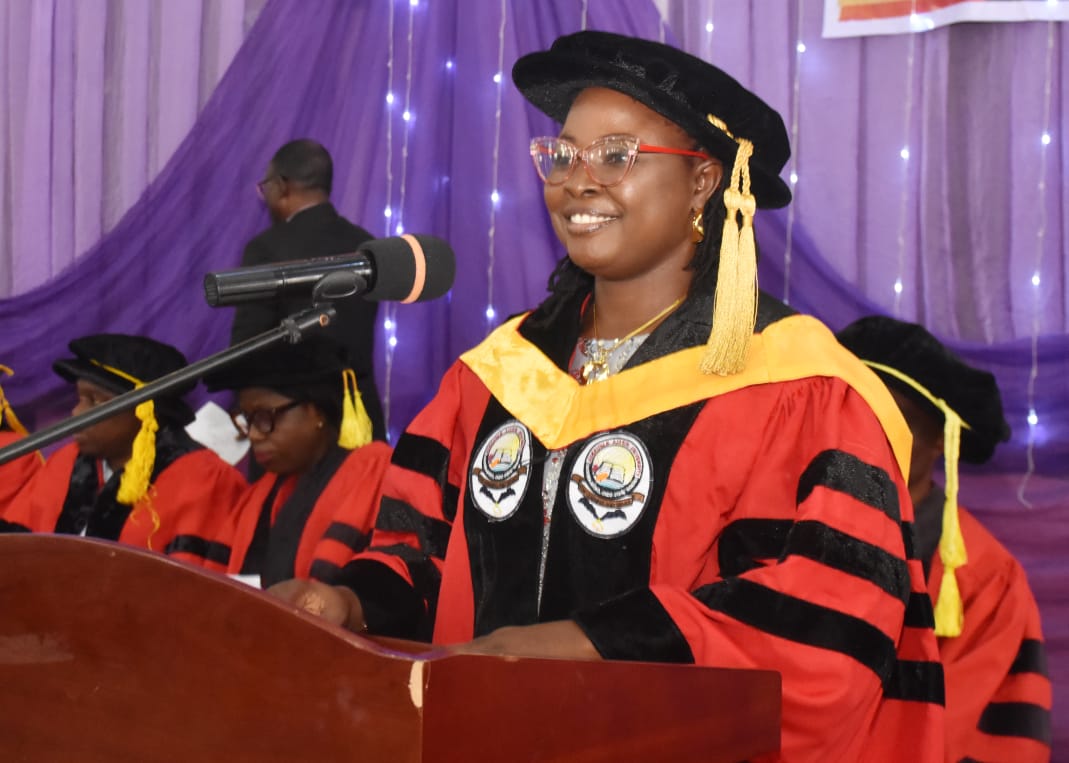
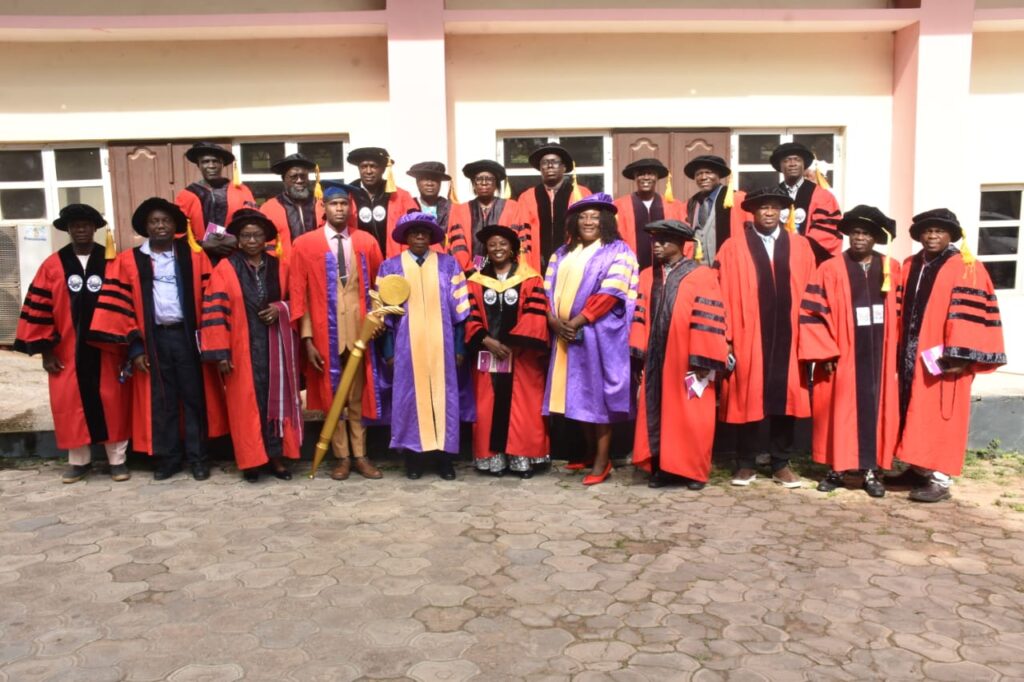
A Professor of Climatology at Adekunle Ajasin University, Akungba-Akoko (AAUA), Prof. Oyenike Mary Eludoyin, has warned that climate change has become an escalating threat to environmental sustainability and public health, calling for urgent, science-driven interventions to safeguard Nigeria’s future.
Delivering the university’s 68th Inaugural Lecture titled, “The Human Element in the Climate Equation: Navigating Thermal Stress and Environmental Health in a Warming Nigeria,” Prof. Eludoyin urged governments, institutions and stakeholders to adopt innovative and adaptive measures to address rising temperatures, heat waves and changing climate patterns that threaten agriculture, food security and public health.
She described the increasing heat being experienced across Nigeria as “a silent and invisible biological crisis,” warning that failure to act decisively would worsen its impact on livelihoods and national development.
“Nigeria must move swiftly from a passive posture of climate victimhood to an active stance of climatic agency,” she said.
According to the climatologist, decades of scientific research have shown a steady rise in temperature with far-reaching consequences for ecosystems, livelihoods and human health.
“The global climate is warming at a pace that severely outstrips our current infrastructural capacity. Concurrently, our local Nigerian environment is becoming more humid, less ventilated and progressively stressful to biological life,” she said.
Prof. Eludoyin noted that while climate change poses enormous challenges, her research has also demonstrated the remarkable ability of communities to adapt when equipped with scientific knowledge and practical environmental solutions.
She stressed that tackling climate change requires stronger institutional commitment, sustained investment in scientific research and strategic collaboration between universities, governments and communities to ensure that research findings translate into practical policies.
Among the measures she proposed was an “architectural revolution” through the review of Nigeria’s National Building Code to incorporate bioclimatic principles that reflect the country’s tropical climate. She argued that imported concrete-and-glass building designs often trap heat and fail to maximise natural ventilation.
The professor also advocated a national cool-roof policy requiring the use of solar-reflective roofing materials capable of reducing indoor temperatures by between three and five degrees Celsius.
She further recommended the adoption of precision agriculture to help farmers cope with increasingly unpredictable rainfall patterns and called on regional universities to serve as climate information hubs for farming communities.
To reduce rising urban temperatures, she proposed the preservation and development of indigenous forest areas covering at least 10 per cent of new residential, commercial and industrial layouts, describing such green spaces as “urban green lungs” capable of mitigating the Urban Heat Island effect.
Prof. Eludoyin also called for the establishment of comprehensive climate-health surveillance systems, insisting that climate change should be treated as a public health emergency requiring coordinated action by environmental, health and policy institutions.
She further urged Adekunle Ajasin University to establish a Climate Change Centre to strengthen climate research, support evidence-based policymaking and develop sustainable strategies for protecting vulnerable communities.
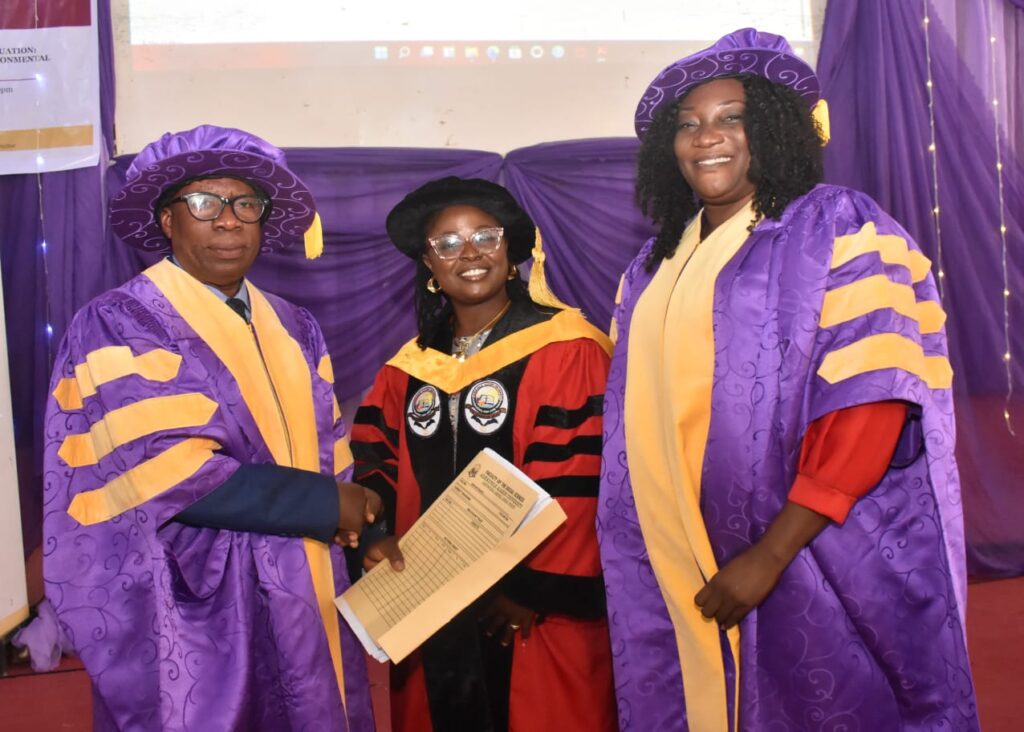
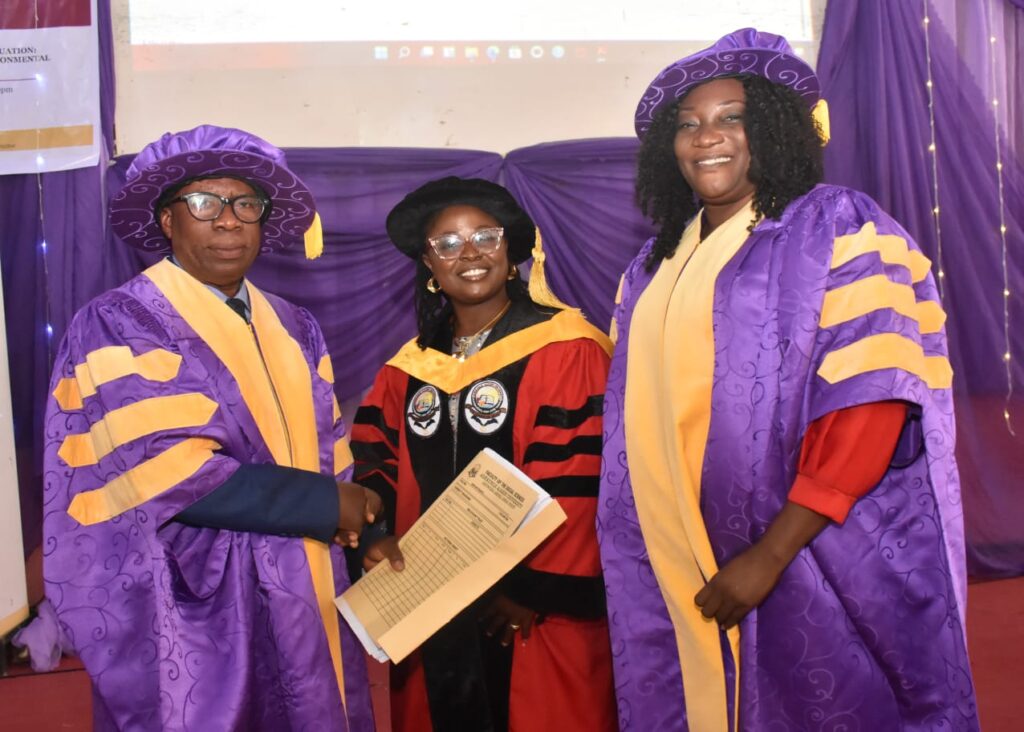
Earlier, the Vice-Chancellor of AAUA, Prof. Tomola Obamuyi, reaffirmed the institution’s commitment to promoting high-quality scholarship, cutting-edge research and knowledge-driven initiatives that support national development.
Obamuyi also pledged to sustain the university’s inaugural lecture series in line with global best practices.
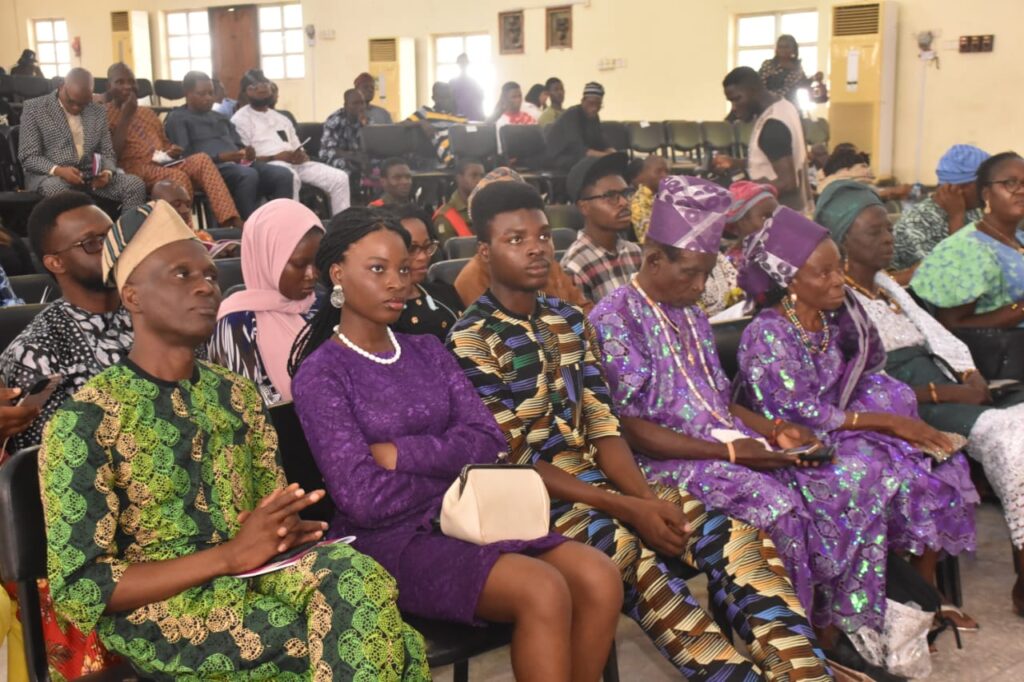
The inaugural lecture attracted religious and traditional leaders, academics, members of the university community, as well as family members, friends and well-wishers of the lecturer.
